September 2026
WHERE GIVING MEETS COMMUNITY
Insights on local generosity, nonprofit work, and the needs shaping our region.
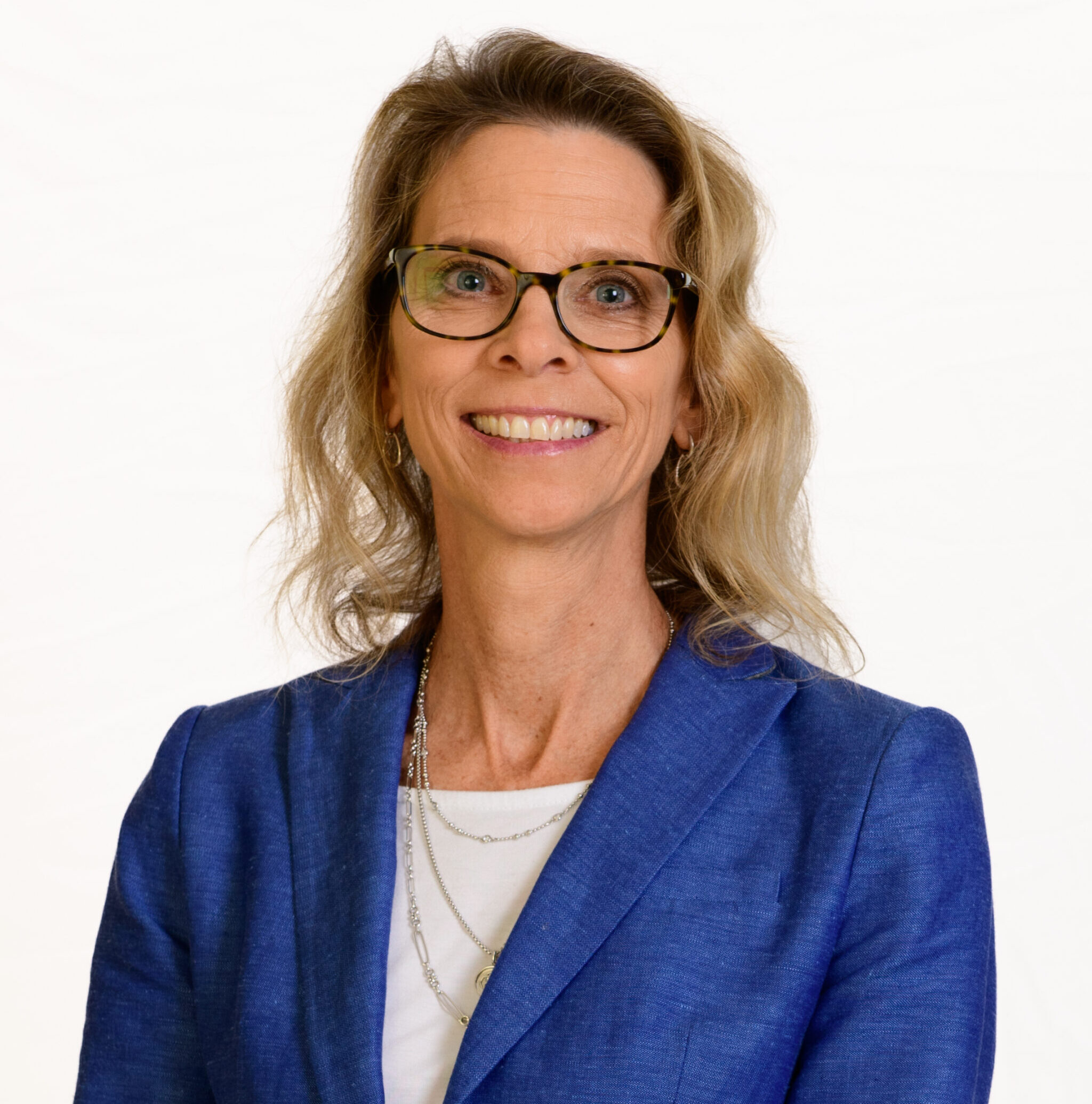
By Amy Gronlund, Transitions of PA development director
Over Transitions of PA‘s 50 years of service, one lesson has remained clear: there is no single path to safety.
One survivor may need emergency shelter tonight. Another may be safely housed but need help preventing an eviction. Someone else may need counseling, legal advocacy, transportation, or assistance securing a new apartment. Each person’s circumstances are different, so the response must be flexible, too.
At the heart of this work is a simple principle: survivors should have choices.
Domestic violence, sexual assault, and other forms of abuse are fundamentally about power and control. Abuse can take away a person’s sense of safety, independence, financial security, housing, relationships, and ability to make decisions about their own life. Our role is not to make those decisions for someone, but to provide information, resources, advocacy, and support so each survivor can choose what is right for them.
Community giving makes that possible.
Public funding is essential to victim service organizations like Transitions, and it supports many of the services survivors rely on every day. Yet those dollars often come with specific eligibility requirements and restrictions on how they can be used. A survivor’s life rarely fits neatly within the boundaries of a particular funding source.
For example, a survivor may have found a safe apartment, but lack the money for a security deposit. Another may need transportation to court, groceries for their family, temporary housing while they work toward stability, or help replacing essential belongings left behind when they fled.
In those moments, flexibility matters. It allows organizations to listen first and respond to each survivor’s specific needs. That is one of the tremendous values of community giving.
When individuals, businesses, foundations, and community organizations invest in local nonprofits, they help fill gaps that other funding cannot address. Their generosity allows organizations to respond as needs change and, most importantly, keeps the person seeking assistance at the center of every decision.
This flexibility is especially important in rural communities, where transportation, limited housing options, distance from services, childcare, employment, and access to technology can all shape the choices available to a survivor. What works for one person—or in one community—may not work for another.
Local philanthropy also represents something beyond financial support: trust. Organizations like Community Giving Foundation bring together people who understand their communities and invest in solutions grounded in local needs. That partnership strengthens the network of organizations working every day to make our region safer and stronger.
As Transitions celebrates 50 years, we know this work has been possible because generations of people have chosen to be part of it. They have donated, volunteered, advocated, served, partnered, and believed that survivors in their community should never have to face violence alone.
Community giving does more than fund services. It helps restore possibility, independence, and, perhaps most importantly, choice. Safety is built by community.
Because while there is no single path to safety, every survivor deserves the opportunity to choose their own.